


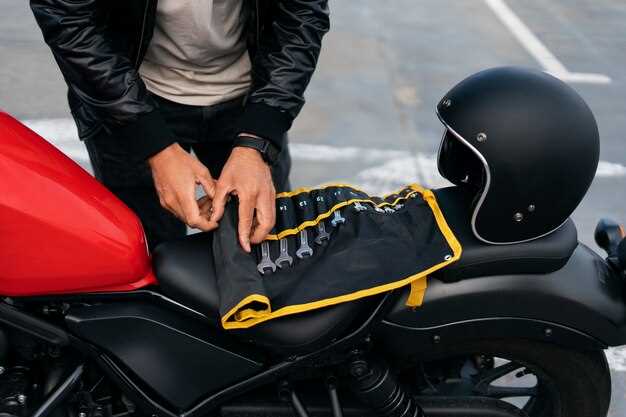
Racing motorcycles offers an exhilarating blend of speed and skill, but it also comes with inherent risks. For beginner motorcycle racers, investing in the right safety gear is not just advisable; it’s essential. The right equipment can significantly reduce the likelihood of serious injuries on the track, allowing riders to focus on honing their racing skills and enjoying the thrill of competition.
One of the most important pieces of safety gear is a high-quality set of leathers. Racing leathers are designed to provide maximum protection against abrasions and impacts, featuring reinforced padding in key areas such as elbows, knees, and shoulders. Unlike regular clothing, racing leathers are tailored to fit snugly, ensuring that they stay in place during high-speed maneuvers. This fit enhances both safety and aerodynamics, providing riders an added advantage on the track.
In addition to leathers, a properly fitted helmet is imperative for any racer. A racing helmet should meet stringent safety standards, offering not only head protection but also comfort and visibility. When combined with leathers, a quality helmet forms the first line of defense against potential accidents. As beginners embark on their racing journeys, understanding the importance of this safety gear will instill a sense of confidence and security, allowing for a more enjoyable and focused racing experience.
Choosing the Right Racing Leathers for Maximum Comfort
Selecting the appropriate racing leathers is crucial for both safety and comfort during motorcycle racing. Quality leathers provide protection against abrasions and impacts while allowing for necessary mobility on the track. A well-fitted suit will enable you to maintain optimal control of your motorcycle without feeling restricted.
When sizing your racing leathers, it’s important to try them on with the undergarments you plan to wear, such as a padded base layer. Ensure that the leathers fit snugly but do not constrict your movement. Pay attention to the length of the arms and legs, as they should not ride up when you are in the riding position. Knee and elbow areas should allow for flexibility, while still offering protection.
Look for leathers that feature stretch panels or different materials, such as Kevlar or Cordura, which can enhance comfort. These materials provide extra stretch where needed, allowing you to move naturally while still being safeguarded. Also, consider the weight of the leather; heavier options may offer better protection, but they can contribute to fatigue during long races.
Finally, remember that your chosen helmet plays a role in your overall comfort level. Ensure your helmet fits properly and complements your racing leathers. A good helmet will not only protect your head but can also enhance your aerodynamic profile, making your rides smoother and more enjoyable. Choose racing leathers that allow for adequate airflow to keep you cool, especially in warmer conditions.
How to Select a Racing Helmet That Fits Perfectly
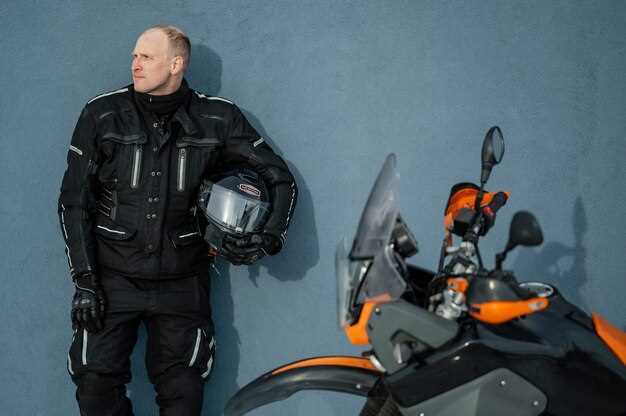
Selecting the right racing helmet is crucial for both safety and comfort on the track. A well-fitting helmet minimizes the risk of injury and enhances overall performance. Here are the essential steps to ensure you choose a helmet that fits perfectly.
1. Measure Your Head
Start by measuring the circumference of your head using a soft measuring tape. Position the tape about an inch above your eyebrows, wrapping it around the widest part of your head. This measurement will help you identify the appropriate size according to the manufacturer’s sizing chart.
2. Try It On
Once you have your measurement, visit a store that specializes in racing gear. Trying on various helmets is vital, as different brands may have unique sizing. Put on the helmet and check for a snug fit. It should feel comfortable without excessive pressure points.
3. Check the Fit
Periodically adjust the chin strap while wearing the helmet. A correctly fitted helmet should remain stable and not shift during movement. The pads inside should touch your forehead without causing discomfort. Additionally, tilt your head; the helmet should stay in place without rolling back or forward.
4. Consider the Shape
Heads come in various shapes–oval, round, or intermediate. Many manufacturers design their helmets to cater to specific head shapes. Make sure to choose a helmet that accommodates your head shape for better comfort and protection.
5. Evaluate Additional Features
Look for additional safety features, such as a multi-density EPS liner, which improves impact absorption. A snug fit around the cheeks is also essential; it prevents the helmet from lifting during high speeds. Ventilation is equally important to maintain comfort during long races.
6. Pair with Racing Leathers
When selecting a helmet, consider how it will complement your racing leathers. Ensure that the helmet’s profile fits well with your leathers for an aerodynamic advantage. This pairing not only enhances style but also plays a role in overall safety.
By following these steps, you will find a racing helmet that fits perfectly, ensuring a safer and more enjoyable experience on the track.
Understanding the Importance of Additional Protective Gear
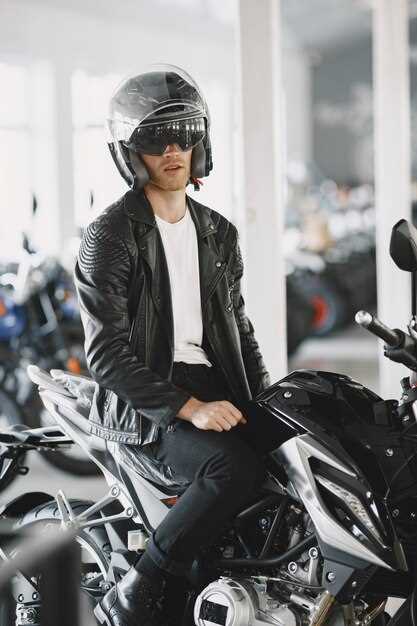
When it comes to motorcycle racing, safety should always be a priority. While a high-quality helmet is crucial for protecting the head, additional protective gear plays an equally important role in safeguarding the entire body during a fall or collision. This is where proper leathers come into play. Wearing well-fitted leathers not only provides abrasion resistance but also supports crucial body parts like elbows, knees, and shoulders, which are vulnerable in the event of an accident.
Falling off a motorcycle at high speeds can lead to severe injuries; therefore, investing in quality leathers can mean the difference between minor abrasions and life-threatening injuries. Leathers are designed to absorb impact and minimize damage to the skin, providing an essential layer of defense. Moreover, leathers can enhance a rider’s grip on the seat, which is vital for maintaining control during intense races.
Beyond helmets and leathers, additional protective gear like gloves, boots, and back protectors significantly enhance a rider’s safety. Gloves provide protection for the hands and improve control of the handlebars, while specialized boots protect the feet and ankles from injuries. Back protectors are essential for spinal protection during unexpected falls. Each piece of gear contributes to a rider’s overall safety, offering comprehensive protection in high-risk situations. Thus, any beginner motorcycle racer should prioritize investing in complete protective gear to ensure a safer racing experience.


