



The landscape of the motorcycle community has undergone a remarkable transformation in recent years, largely fueled by the increasing presence of female riders. Once considered a male-dominated sport, motorcycling is now embracing a more diverse demographic, showcasing the strength, determination, and passion of women who ride. This shift not only reflects changing social attitudes but also contributes to a broader cultural acceptance of women in traditionally masculine roles.
The growth of women in motorcycling can be attributed to several factors, including the rise of female-centric motorcycle organizations, targeted marketing by manufacturers, and an overall push for gender equality in sports. As more women break barriers, they are not only becoming riders but also leaders, influencing the industry’s direction and paving the way for future generations. Their stories inspire potential riders and encourage camaraderie among enthusiasts, creating a vibrant community where everyone feels welcome.
As the number of female riders continues to grow, so does their impact on the motorcycle scene. Women are not only participating as riders but also as influencers, mechanics, and business owners within the industry. Events, rallies, and social media platforms are now actively celebrating the contributions of women, showcasing their skills and achievements. The evolving narrative surrounding female motorcyclists highlights the importance of representation and serves to challenge long-standing stereotypes, ultimately enriching the motorcycle culture for all enthusiasts.
Women Riding Motorcycles: Growth and Impact on the Scene
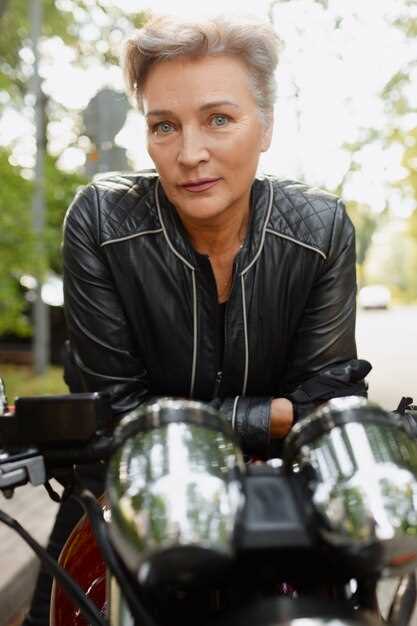
The rise of female riders in the motorcycle community has been significant over the past decade. More women are embracing the freedom and empowerment that motorcycle riding offers, leading to a marked increase in their presence at events, clubs, and on the roads. This shift not only promotes diversity within the riding scene but also reshapes the culture surrounding motorcycles.
Statistics show that the number of women obtaining motorcycle licenses has increased dramatically, with many manufacturers responding by designing bikes that cater specifically to female riders. As the market evolves, brands are recognizing the importance of inclusivity, which has resulted in a wider variety of models, gear, and accessories tailored for women. This growth in representation is crucial, encouraging more females to explore the passion for riding.
Female riders have also played a vital role in fostering a sense of community. Many women-led motorcycle clubs have emerged, providing a supportive environment for new riders while promoting camaraderie. These groups not only empower women but also challenge the stereotypes that have historically surrounded motorcycle culture, demonstrating that riding is for everyone, regardless of gender.
The impact of female riders extends beyond the clubs and events; it influences the overall motorcycle industry. As more women become involved, their preferences and feedback are shaping product development and marketing strategies. This shift is not just about sales–it’s about reshaping the narrative of who motorcyclists are and what they can achieve.
In conclusion, the growth of female riders significantly enhances the motorcycle scene, bringing fresh perspectives, fostering inclusivity, and inspiring a new generation of enthusiasts. As this trend continues to expand, the landscape of motorcycling will likely see even more positive changes, reflecting the diverse community it serves.
Analyzing the Increasing Numbers of Female Motorcyclists in Recent Years
The rise in the number of female motorcyclists in recent years reflects broader societal changes towards inclusivity and empowerment. As women increasingly embrace the freedom and adventure associated with riding, the motorcycle community has evolved to welcome this new demographic of riders. Various factors contribute to this growth, including changing cultural perceptions and targeted marketing efforts by motorcycle manufacturers.
Many brands now recognize the potential in female riders and are tailoring their designs and marketing strategies to appeal specifically to this audience. This shift has led to an increase in gear, accessories, and motorcycles designed with women in mind, enhancing the riding experience and promoting confidence among female motorcyclists. As a result, more women are encouraged to join the community, decreasing barriers to entry and fostering a supportive environment.
Social media also plays a key role in strengthening the visibility of female motorcyclists. Online platforms provide spaces for women to share their experiences, tips, and stories, creating a sense of camaraderie and breaking down stereotypes associated with motorcycling. This newfound presence not only empowers individual riders but also challenges the long-standing notion that riding is predominantly a male activity.
The growth of female ridership has a significant impact on the overall motorcycle scene. As more women take to the roads, events and gatherings increasingly reflect this diversity, promoting inclusivity and encouraging a wider range of participation. Motorcycle clubs and organizations are adapting to attract female members, creating initiatives that focus on community building and skill development.
In conclusion, the increasing numbers of female motorcyclists signify a transformative shift within the motorcycle culture, enhancing its inclusivity and expanding its appeal. With continued support from manufacturers and the community, the trend is likely to grow, further enriching the riding experience for all. The future of motorcycling promises to be more diverse, welcoming, and empowering for women riders than ever before.
Exploring the Role of Female Riders in Promoting Inclusivity within the Motorcycle Community
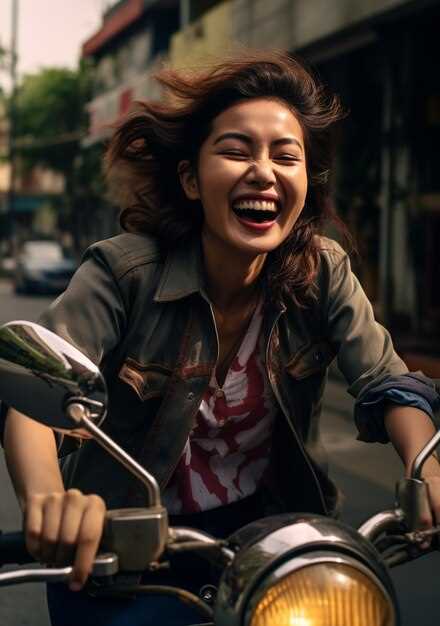
Female riders have increasingly become pivotal in advocating for inclusivity within the motorcycle community. Their presence not only challenges stereotypes but also inspires a more diverse and welcoming environment for all enthusiasts.
Historically, the motorcycle scene has been male-dominated, often creating barriers for female riders. However, the growing number of women in this space has begun to dismantle these barriers, leading to a more inclusive culture. This shift can be attributed to several key factors:
- Visibility and Representation: As more women take to the roads, their visibility encourages others to join the community. Brands and events that showcase female riders contribute to a sense of belonging.
- Support Networks: The establishment of female-led riding groups and organizations fosters a supportive environment for women. These networks provide mentorship, resources, and camaraderie, making the sport more accessible.
- Collaborative Events: Female riders are organizing events that focus on inclusivity, such as workshops, charity rides, and demo days aimed at aspiring female motorcyclists. These events help demystify the riding experience for newcomers.
Moreover, female riders are not just participants; they actively engage in advocacy. They promote safety, encourage diversity among riders, and challenge outdated norms within the community. This activism enhances the perception of motorcycling as a welcoming activity for all genders.
In addition, social media platforms have become vital in amplifying the voices of female riders. By sharing their journeys, experiences, and challenges, these women inspire others to embrace motorcycling, contributing to a cultural shift towards inclusivity.
The impact of female riders on the motorcycle community extends beyond just increasing numbers. They redefine what it means to be a rider, proving that passion for motorcycling transcends gender. By fostering inclusivity, they not only enhance their own experiences but also enrich the community as a whole, ensuring that it remains vibrant and diverse.
Strategies for Supporting and Encouraging Female Participation in Motorcycle Culture
Supporting female riders in the motorcycle community requires a multi-faceted approach that addresses barriers and promotes inclusivity. First, creating a welcoming environment is essential. Motorcycle shops and clubs should host events specifically geared towards women, such as workshops and social meet-ups, to foster a sense of belonging among female riders.
Education and training play a crucial role in encouraging female participation. Offering riding courses tailored for women can help build confidence and skills. Programs led by experienced female riders can serve as role models, empowering newcomers to embrace the sport. Additionally, promoting safety gear designed for women can enhance comfort and practicality, further encouraging female riders to take to the road.
Another effective strategy involves building community support. Online forums and social media groups can provide spaces where female riders share experiences, tips, and challenges. These platforms can also facilitate mentorship opportunities, connecting novice riders with seasoned veterans. Celebrating achievements, no matter how small, within these communities can help motivate and inspire female participants.
Finally, addressing cultural perceptions is essential to expanding female involvement in motorcycle culture. Initiatives that challenge stereotypes, such as documentaries or social campaigns featuring female riders, can shift public perception and encourage more women to ride. Engaging with diverse voices in the community to amplify their stories can create a richer narrative around female participation, making it more relatable and inspiring.


